Every day a let property stands empty costs the landlord the rent it would otherwise earn, so the gap between one tenancy ending and the next beginning is managed tightly. In SN1 much of the rented stock is post-war and late twentieth-century family housing on estates where turnover is steady rather than seasonal, and agents routinely try to compress a void into a working week. That compression is what makes the order of work at the end of a tenancy worth thinking about properly.
The sequence that keeps a void short
Work has to happen in a fixed order or it happens twice. The property is emptied; any repairs, redecoration or replacement flooring go in next, because trades make dust; the deep clean follows; soft flooring is extracted last so it dries with nobody walking on it. Cleaning before a decorator arrives is money spent twice over, and a carpet fitted over an unclean subfloor traps whatever was there. Arranging an inventory clerk before the carpets are dry is a different kind of mistake, because a damp pile photographs badly and reads as neglect.
Where refurbishment changes the job
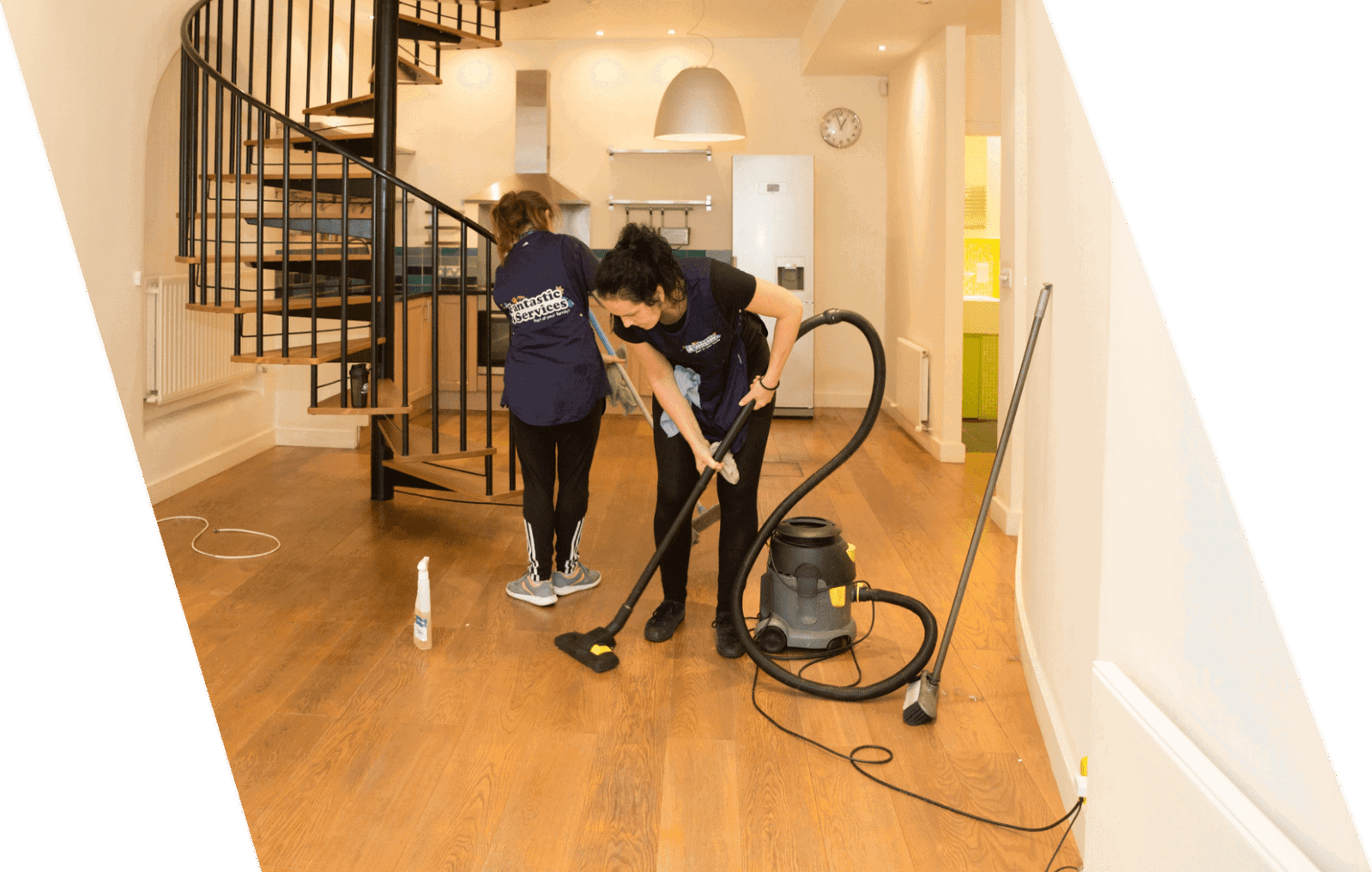
A property that has had work done is not a dirty property, it is a dusty one, and the two need different methods. Plaster and board dust is fine enough to sit on every horizontal surface, inside every socket, on top of every door and in the tracks of every window, and it moves when disturbed, so it is worked from the top of the room downwards with vacuums rather than wet cloths at first. That is a distinct specification, which is why after builders cleaning cover across Devizes is sold as its own service rather than as an upgrade to a standard clean.
Appliances set the critical path
The one item that cannot be rushed is the cooker. Carbonised deposits need soaking time measured in hours, not minutes, and a technician arriving at four o'clock on the last day of a void has no way to make up the difference. Where a property has a range cooker or a double oven, an appointment for oven cleaning cover across Swindon is best placed at the start of the turnaround rather than at the end, so the rest of the kitchen can be finished around it.
Drying time is not negotiable
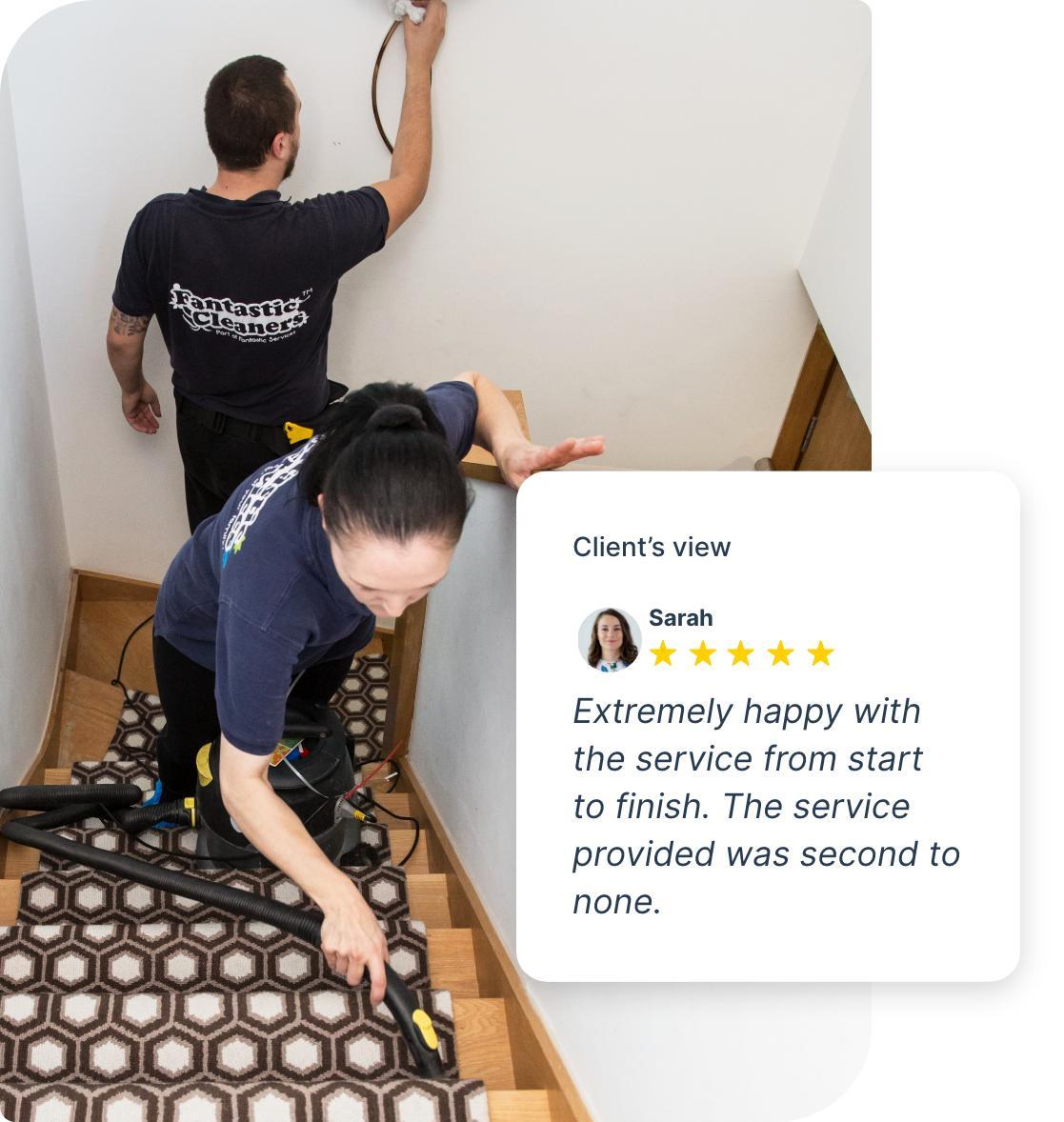
Carpets take hours to dry and longer in a cold, closed house. Heating on low, interior doors open and a little air movement halve the wait; a sealed property in November can still be damp the following morning. Planning around that is the practical reason carpet cleaning for period property in Swindon is treated as a defined slot rather than squeezed in at the end of a general clean, and why it is the last wet work in the property.
Keys, meters and the handover itself
A clean is only as useful as the access arranged around it. Somebody has to let the team in, the utilities have to be live, and meter readings taken at the check-out are better done after the cleaning than before, so an empty property is not billed for a day of vacuuming on the outgoing tenant's account. Where a key safe is used, its code needs to be current, since a wasted journey costs a day of the void. Gas and electrical safety visits are best kept clear of the cleaning slot as well, because two trades in one empty house slow each other down.
How the work is quoted
Move-out cleaning is assessed from the size of the property and whether it is furnished, not by the hour, because it is a defined list of tasks with a defined outcome. Extras such as heavy limescale, a neglected oven or an unusual amount of rubbish are identified beforehand rather than discovered on the day. Landlords with a portfolio across the county tend to work to one written standard, which is the list published with trusted check-out cleaning and applied without change on Bicester end of tenancy cleaning services.